
Social Media Marketing
We develop both organic and paid advertising concepts from cradle to grave. We focus on converting attention into paid customers for companies, personal brands, and business owners.
“TopSDRs' Inbound Engine” Case Study
A NYC recruiting firm was landing candidates through referrals and events, with almost nothing coming from social. Together, we built a founder-led content system that turned Instagram into their primary discovery channel.
Our Service: Content Strategy & Video
Their Industry: Recruiting & Talent
The Use Case: Inbound Candidate Acquisition
About
the client.
-
TopSDRs places finance, consulting, and corporate professionals into SDR and BDR roles at Series A and B, VC-backed startups. Founded by brothers Andrew Wilkins (Harvard, formerly Barclays) and Chris Wilkins (Cornell, formerly Visa), the firm sits between two hard-to-reach groups: ambitious young professionals who aren't actively job hunting, and startups who need sellers who can actually think.
-
4,500+ followers grown from 25
3.5x+ return on content spend
2.4M+ peak quarterly views
13 peak monthly inbounds
-
Instagram went from a dormant account with roughly 25 followers to the firm's highest-performing discovery channel. Quality inbound candidates scaled from low single digits per month to a consistent 8–13, with a peak month above the original 90-day goal by a wide margin. The content spend has returned more than 3.5x in directly attributed placement revenue and the account now does qualification work before a single call happens.
The Challenge:
The best candidates weren't looking. They were employed, well-paid, and a year or two into finance or consulting, quietly wondering whether that was the whole plan.
Reach passive candidates who would never respond to a cold message.
Make the case for a career move most of their peers would consider a step down.
Filter hard: attract people who want to sell at a startup; repel people who want strategy and operations or aren’t qualified.
Carry two distinct founder voices without flattening either one.
Both founders were willing to be on camera, and neither could speak negatively about a former employer. The story had to be sold on what's ahead, not what's behind.
Our Approach:
Strategy & Pre-Production
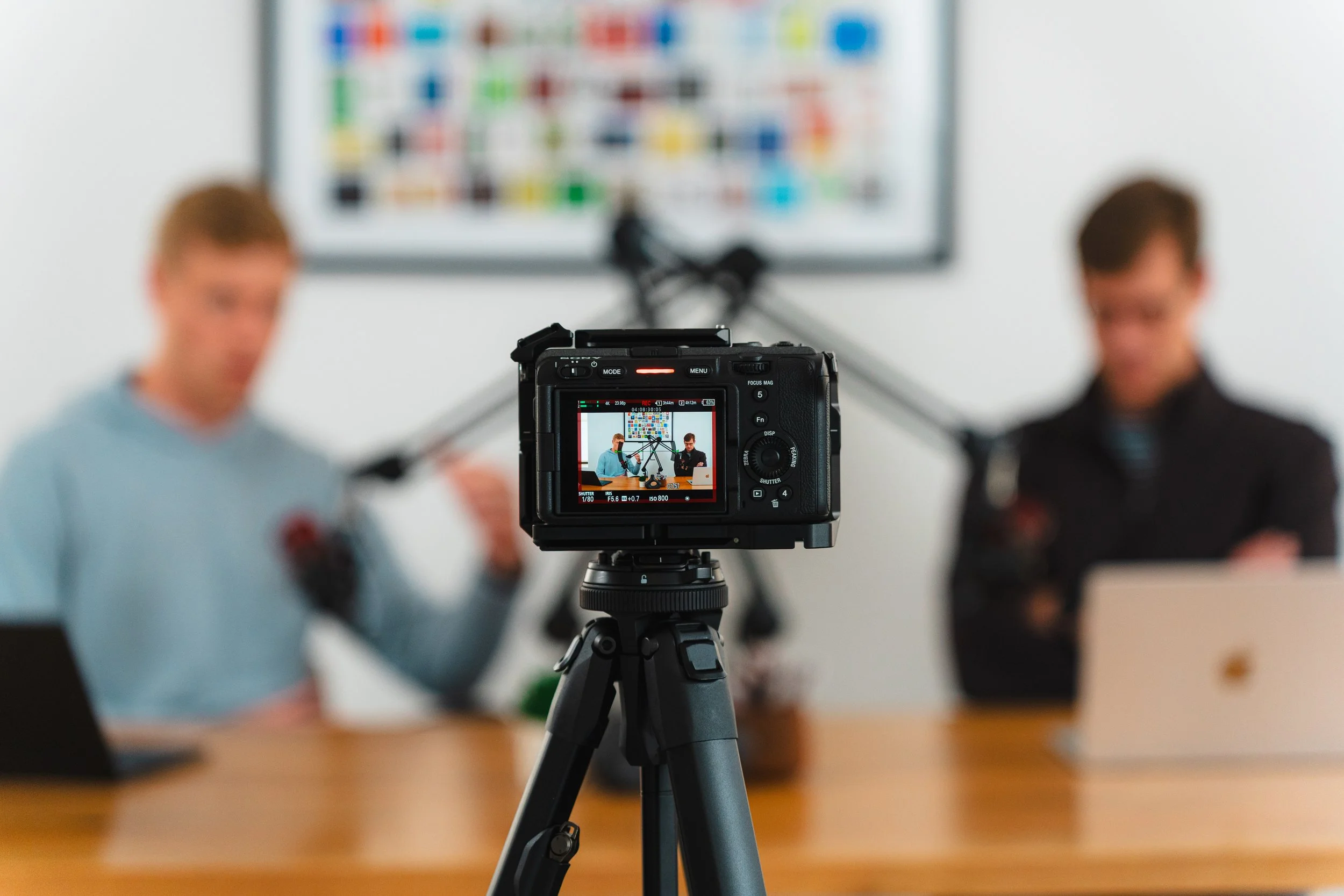
We started with a discovery process that mapped the ideal candidate in detail; ages 23–27, top-tier schools, one to three years in finance or consulting, athlete mentality, wants equity upside over a corporate ladder, in NYC or down to move.
We then built the inverse profile— the profile to actively disqualify candidates.
Together we defined four content pillars: career transitions, the reality of the SDR role, the NYC startup scene, and placement outcomes. We maintained a voice split between the two founders equally and the reasoning for each platform; Instagram for discovery and trust, and LinkedIn for professional credibility.
Production & Shoot Day
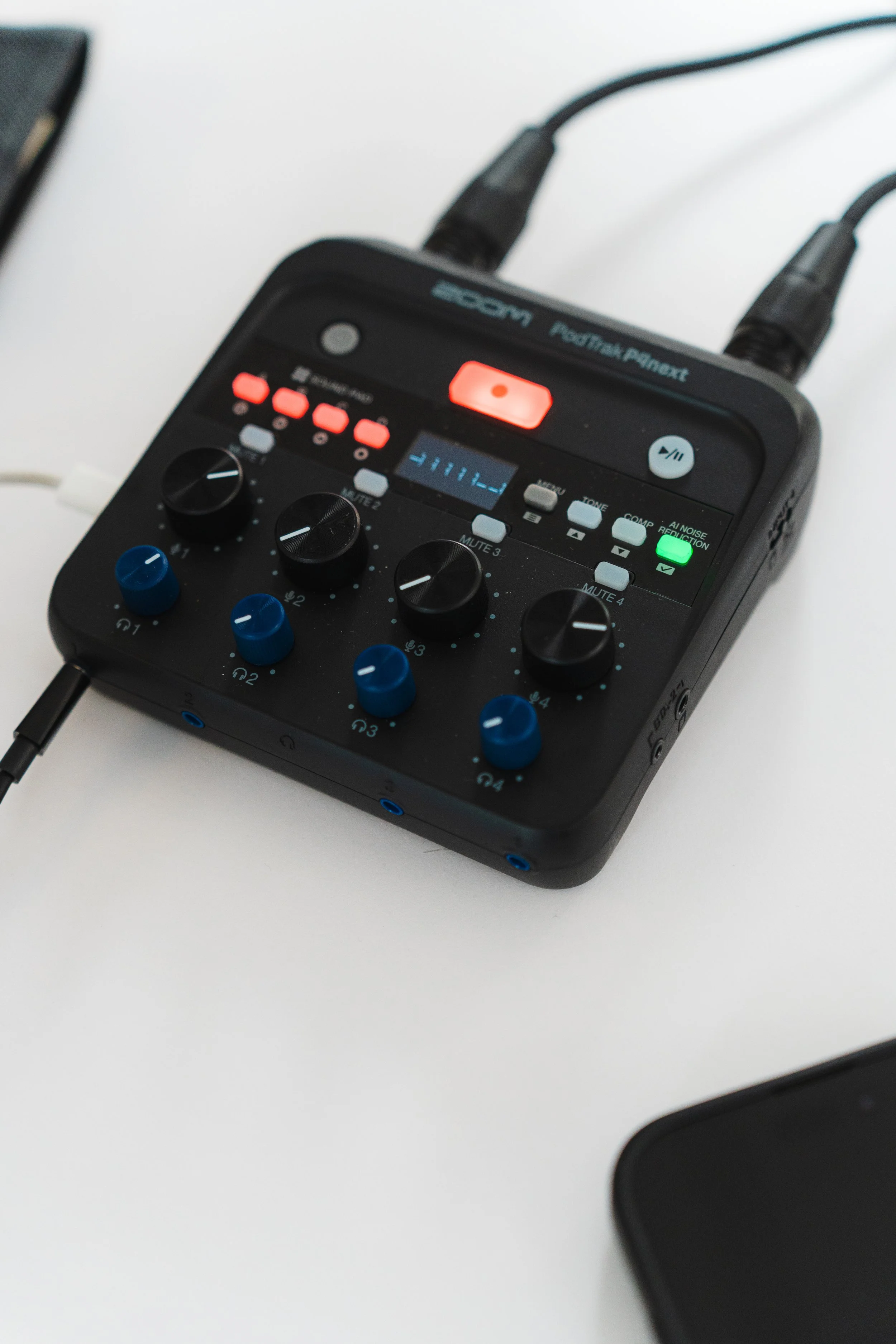
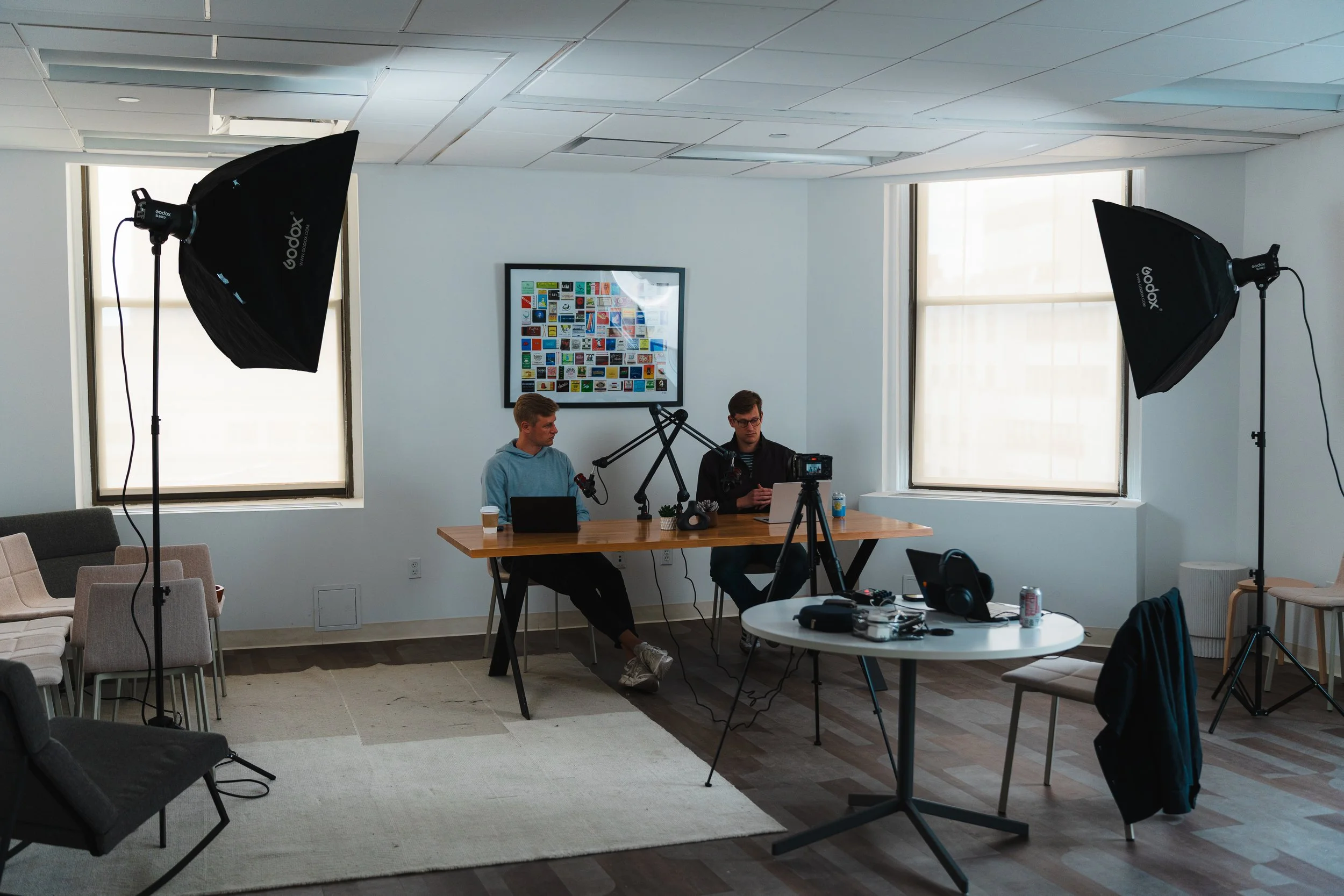
We did two filming sessions per month.
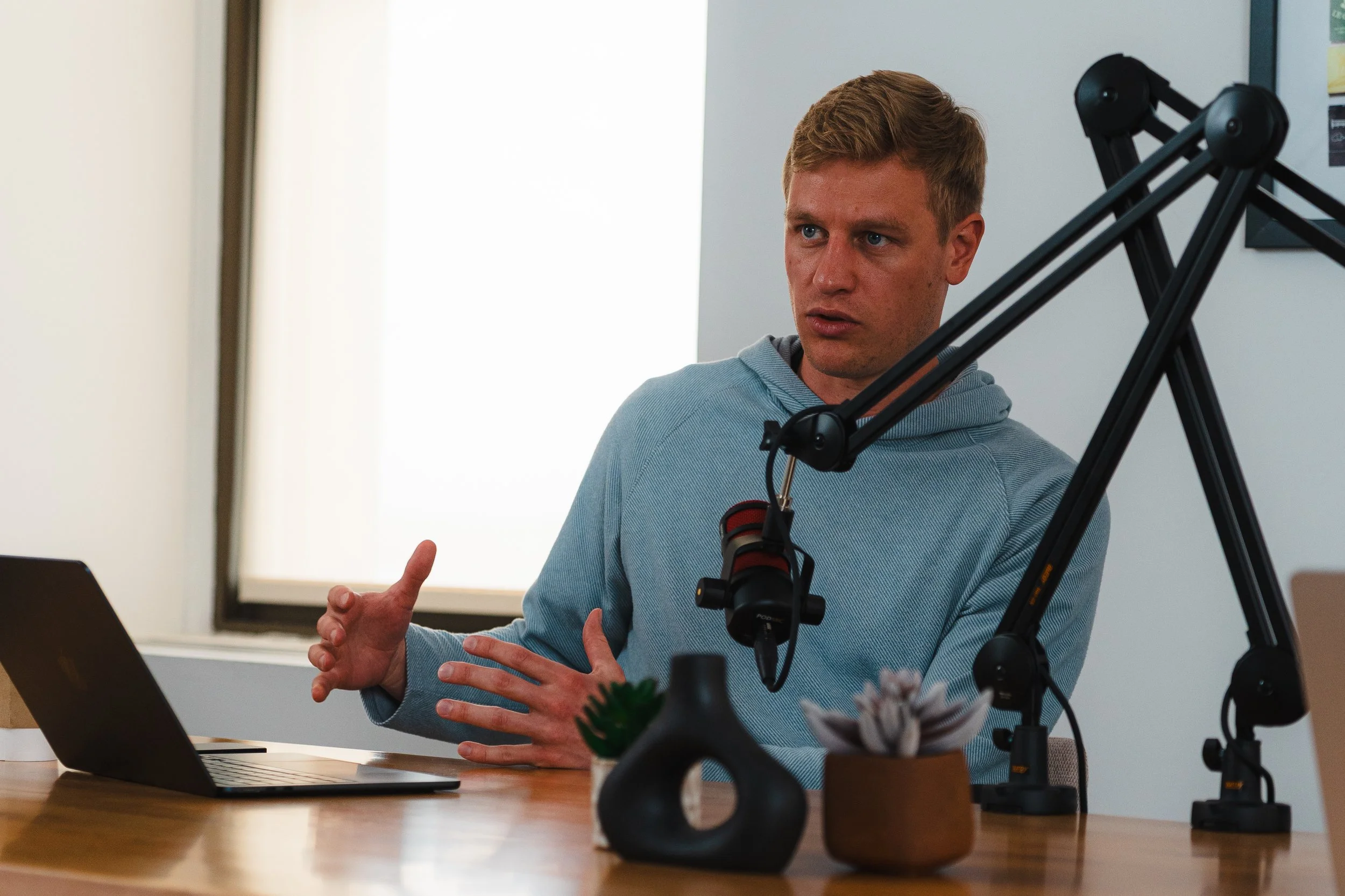
One sit-down chat, either in their office or at a coffee shop, anywhere with controlled audio. This gave us polished talking-head pieces.
One environmental session, walking around New York City, getting dinners, hosting events, or walkthroughs of client offices to get the feel of the SDR work life.
Lightweight lighting, camera, and audio equipment was used intentionally, so nothing felt like a commercial shoot but rather an organic day by day.
Post-Production & Distribution
Every session got transcribed and mined.
Short-form clips were pulled in 30-45 second sections, story cuts at 10–15 seconds, and long-form videos assembled for YouTube. The strongest narratives were converted into carousels.
Captions were written per platform and split-tested in two to three variations per piece, changing only the hook for cleaning testing.
Our system here included:
Transcript-driven clip identification
Platform-native captions for IG, TikTok, and YouTube Shorts
Carousel conversion for the select stories
Monthly performance reporting
THE UNLOCK
The most useful thing we learned wasn't about reach. It was about sequence.
Candidates who ignored a LinkedIn message would surface weeks later as inbound — after finding the Instagram account. The outreach wasn't failing; it was the first touch in a longer sequence, and the content was closing it. That reframed the whole program. Content stopped being a brand exercise and became the mechanism that makes the rest of the funnel work.
“That NYU swimming candidate told me when I talked to him that he saw us both on Instagram and Linkedin, and the fact that he saw us on both platforms is the reason that he thought we were legitimate was willing to take a call”
— Andrew Wilkins Managing Partner, TopSDRs